


More than 130 years ago, a railway line pushed inland from Mombasa, stitching together towns, opening up trade routes and laying the foundation for modern East Africa.
It reached Kisumu, then Port Florence and later extended to Kampala, shaping economies, communities and the very geography of opportunity across the region.
Over time, that system weakened. Capacity declined, inefficiencies grew and the demands of a modern economy began to outpace the infrastructure that once sustained it. Yet even in its diminished state, the railway remained the backbone of development along the Northern Corridor.
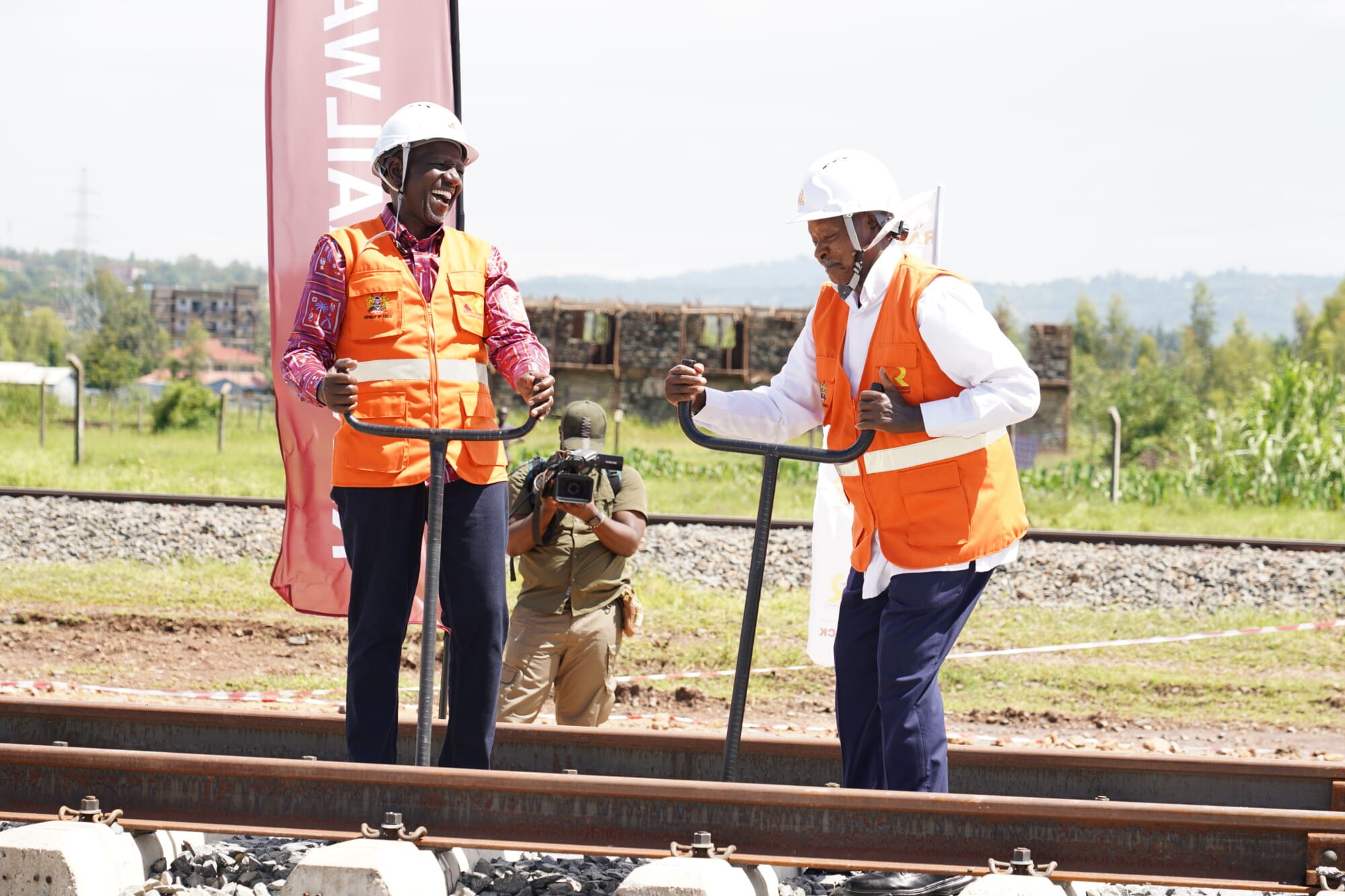
Today, that story is being rewritten. The construction of the Standard Gauge Railway (SGR) from Naivasha to Kisumu and onward to Malaba marks the return of rail as a central force in Kenya’s economic life and as a defining link between Kenya and its regional partners.
The case for extending the SGR is not theoretical, it is already visible. Since 2017, the Standard Gauge Railway has transported over fifteen (15) million passengers and moved more than forty-five (45) million tonnes of cargo.
In 2025 alone, it moved over 7.4 million tonnes of freight, the highest annual volume recorded since operations began. These numbers tell a simple story, when rail works, it delivers.
Today, SGR freight operations generate more than KSh1.3 billion every month. Passenger revenue has grown by about 40%, surpassing KSh4billion annually. In December 2025 alone, passenger revenue reached KSh602million. These numbers are clear evidence of a modern railway that is working and delivering for our economy.
The Standard Gauge Railway has improved the evacuation of cargo from the Port of Mombasa, reduced pressure on major highways, lowered transport costs, and provided a safer, more reliable way to move both people and goods.
Inland Container Depots in Nairobi and Naivasha, together with the Malaba trans-shipment hub, have already begun to reshape how cargo flows within Kenya and across borders.
Demand for efficient transport is rising rapidly, transit cargo through the Port of Mombasa reached 7.37 million tonnes in just six months of 2025, with nearly 70% destined for Uganda. The Naivasha–Kisumu–Malaba extension will build directly on this foundation.
Extending the line, expanding opportunity
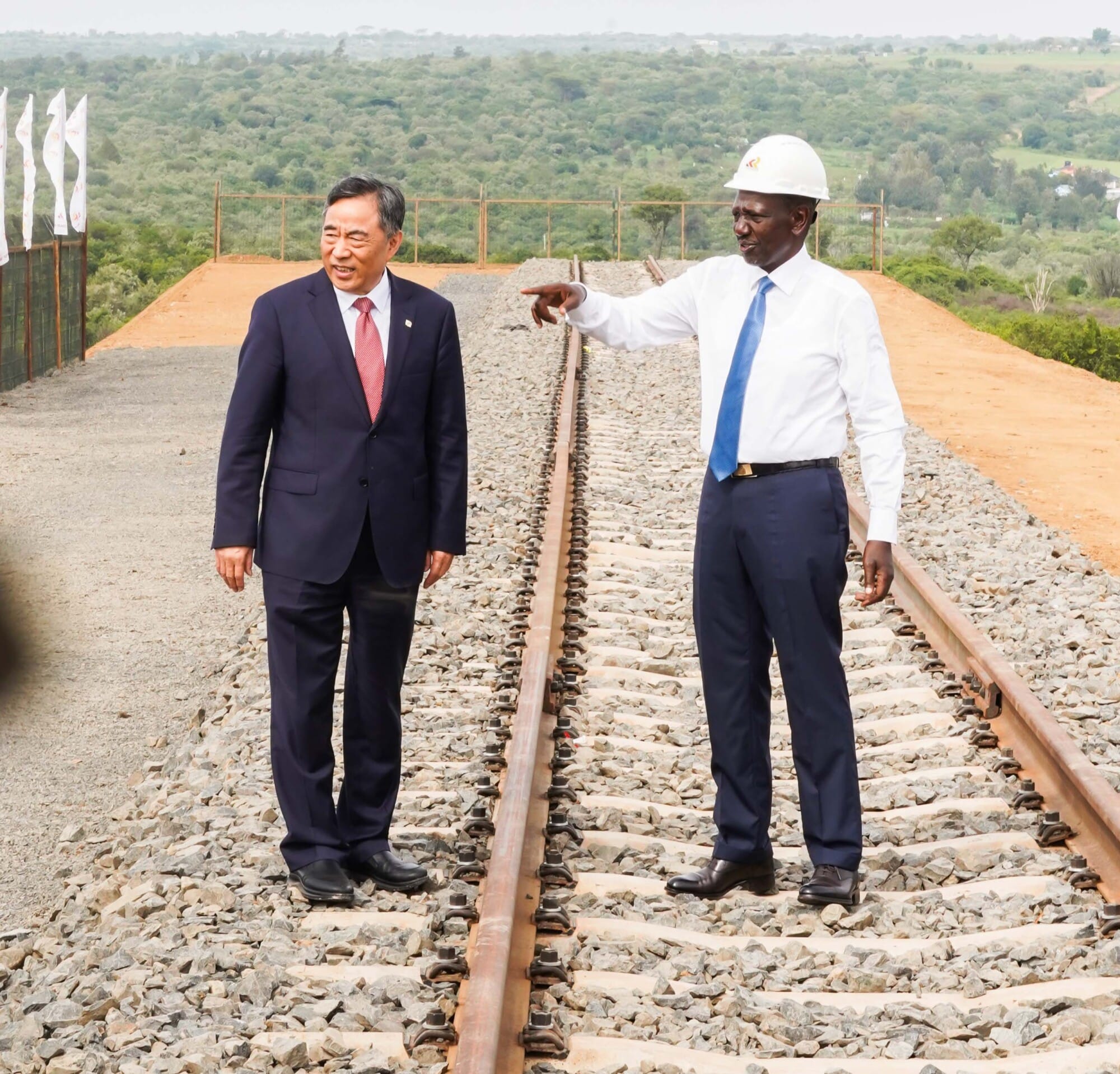
The new corridor will stretch approximately 371 kilometres, 264 kilometres from Naivasha to Kisumu and a further 107 kilometres to Malaba at the Kenya– Uganda border.
It will pass through Narok, Bomet, Kericho, Nyamira, Kisumu, Siaya, Vihiga, Kamega and Busia, connecting regions that are rich in agricultural production and human capital, but often constrained by limited access to efficient transport.
For the millions of Kenyans living along this corridor, the SGR will bring markets closer, ease movement and open up new ways to earn a living.
Fixing the cost of moving goods
One of the biggest challenges facing the region has been the high cost of logistics. In some cases, transport costs account for up to 30–40% of the final value of goods, driven by long distances, inefficiencies, and high vehicle operating costs.
Today, cargo still takes up to 80 hours from Mombasa to Malaba, and over 100 hours to Kampala. A slow transport corridor inevitably loses business and weakens Kenya’s competitiveness as a nation.
The SGR extension is designed to change that. By moving large volumes of cargo more efficiently over long distances, the railway is expected to significantly reduce freight costs, cut transit times and improve the overall reliability of supply chains.
Freight tariffs are projected to decline by over 40% per tonne-kilometre, while transit time is expected to reduce by more than a quarter.
For farmers, this means quicker access to markets. For manufacturers, it means lower input and distribution costs. For the economy, it means more competitive goods both locally and internationally.
Kisumu and the Lake advantage
The extension to Kisumu carries its own strategic significance, Kisumu offers a direct connection to inland water transport. Linking the SGR to the lake opens up new routes for cargo movement, allowing goods to be transported across the lake to neighbouring countries.
This integration will strengthen multimodal transport where rail, road and water systems work together and supports the growth of economic activity around Lake Victoria. It will also revive Kisumu’s historic role as a transport and trade hub, reconnecting it to the broader regional economy.
Connecting countries
The importance of the Standard Gauge Railway does not end at Kenya’s borders. Malaba boarder is a critical gateway into Uganda & the wider Great Lakes region. By extending the SGR to this point, Kenya strengthens its role as the primary transit corridor for countries such as Uganda, Rwanda, South Sudan and the Democratic Republic of Congo.
The SGR extension will increase the capacity and efficiency of the Northern Corridor, enabling goods to move faster and more smoothly across borders. It is part of a broader regional vision, supported by agreements between Kenya, Uganda, Rwanda and South Sudan to develop a seamless railway network linking the region. In practical terms, it means fewer delays, lower costs and stronger trade links across East and Central Africa.
Growth along the line
The impact of the SGR will be felt far beyond the tracks themselves. As the corridor develops, new logistics hubs, industrial parks, agro-processing zones and commercial centres are expected to emerge.
These will serve as centres for value addition, storage and distribution, bringing production closer to markets. The project is modelled on an integrated approach where infrastructure and investment move together, creating economic corridors rather than just transport routes.
Easing pressure on roads, supporting sustainability
The shift from road to rail will also bring immediate national benefits. Heavy freight trucks have long contributed to congestion, road damage and high maintenance costs on major highways.
By moving more cargo onto rail, the SGR will ease this pressure, improve road safety and reduce travel time for motorists. Rail transport is also more energy-efficient, using less fuel per tonne of cargo and producing lower emissions. This supports Kenya’s efforts to build a more sustainable and environmentally responsible transport system.
A project with people at the centre
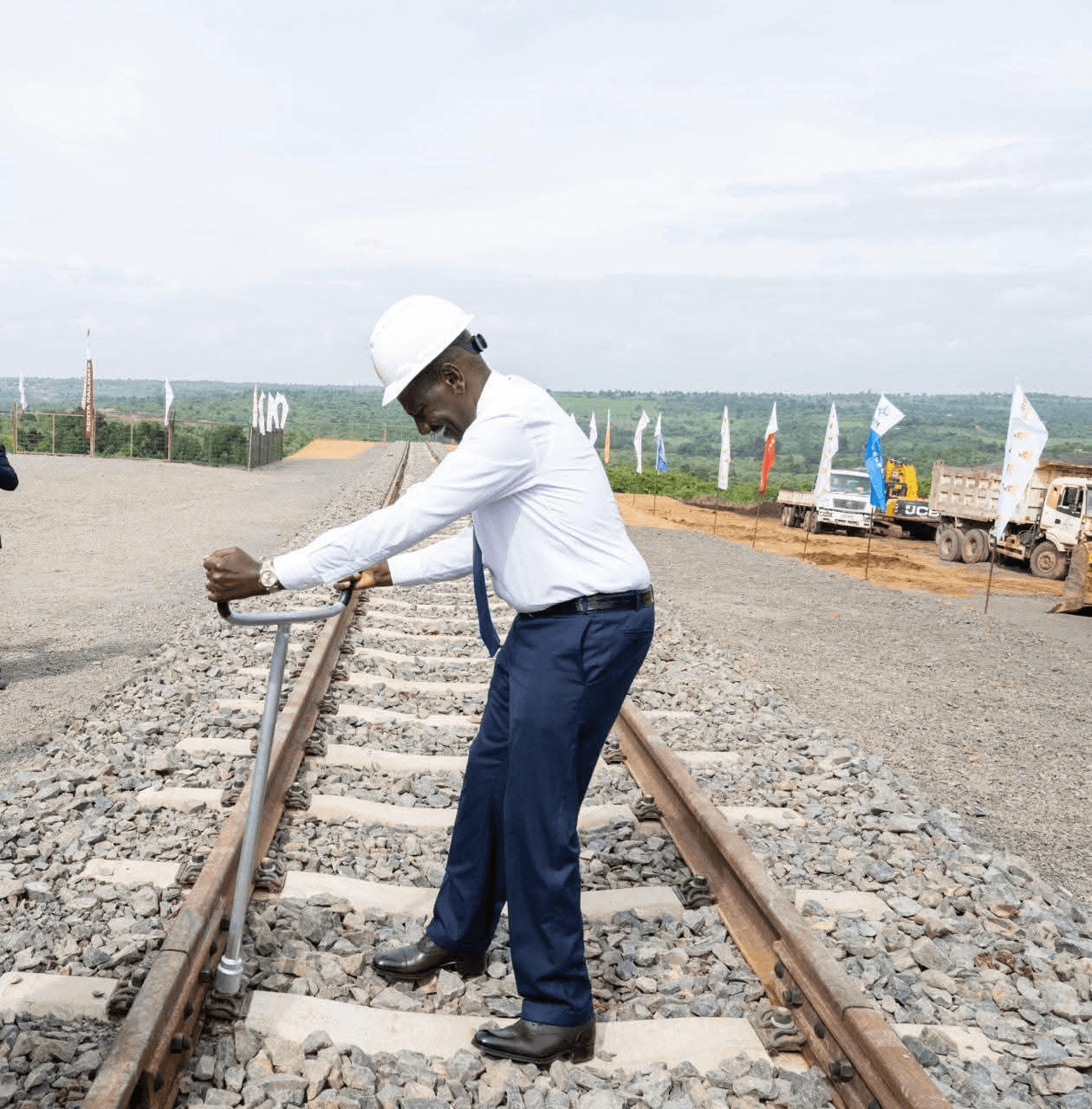
As construction begins, attention is also being given to the people along the corridor. Measures are in place to ensure that those affected by the project are fairly compensated, with structured grievance mechanisms and relocation plans where necessary.
Engagement with county governments, local leaders and communities is ongoing, ensuring that the project remains inclusive and responsive to public concerns.
At the same time, the railway is expected to create employment and business opportunities during both construction and operation, benefiting youth, women & local enterprises.
Restoring momentum, building the future
The Naivasha–Kisumu–Malaba SGR extension is not starting from scratch. It builds on a legacy, responds to present challenges and prepares the country for future growth. It is about moving goods faster and more efficiently.
It is about connecting Kenya to its neighbours and strengthening regional trade. It is about creating opportunities along the corridor, from Naivasha to Kisumu and from Kisumu to Malaba.
In many ways, it is a return to a time when rail was central to how the region functioned. But it is also a step forward, into a more connected, more competitive and more integrated future.
This time, the railway is not just passing through. It is building something along the way.
Read also:- Kenya Railways Announces New Schedule For Madaraka Express Passenger Service
